

Inflammation is a natural process the body uses to heal injuries and fight infection. But chronic inflammation can fuel a range of health problems, from arthritis to heart disease. While conventional treatments often rely on pharmaceuticals, many are turning to natural alternatives. Jamaican remedies, especially anti-inflammatory herbs native to the island, offer promising options. Let’s take a closer look at what traditional wisdom and modern evidence tell us.
Turmeric isn’t exclusive to Jamaica, but it thrives there. Known locally as “yellow ginger,” turmeric is rich in curcumin, a compound widely studied for its anti-inflammatory effects. Research shows that curcumin can inhibit molecules like NF-kB, which play a central role in chronic inflammation. Jamaican herbalists have long used turmeric to ease joint pain, digestive issues, and skin conditions. Today, clinical studies support these traditional uses, suggesting turmeric can help manage symptoms of arthritis and inflammatory bowel disease.
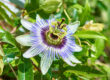
Guinea Hen Weed (Petiveria alliacea)
Locally called “guinea hen weed,” this herb is a staple in Jamaican folk medicine. It’s used for pain relief, infections, and inflammation. Laboratory studies suggest that guinea hen weed has bioactive compounds capable of modulating the immune response and reducing inflammation. Though human trials are limited, the plant’s traditional use for conditions like arthritis, cold symptoms, and nerve pain points to its potential. Many Jamaican remedies include guinea hen weed as a tea or tincture.
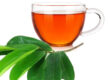
The soursop tree provides not just delicious fruit but also potent medicinal leaves. Jamaican healers use soursop leaf tea for a range of complaints, including swelling and pain. Modern research highlights soursop’s anti-inflammatory and antioxidant properties, largely due to compounds like acetogenins. Some studies indicate that soursop extracts can inhibit inflammation pathways, offering relief for inflammatory conditions. Still, clinical research is needed to solidify these findings.
Cerassee (Momordica charantia)
Cerassee, a bitter herb cherished in Jamaica, is traditionally used to “cleanse the blood” and combat skin problems and fevers. Studies on cerassee (also called bitter melon) show it can lower markers of inflammation, particularly in metabolic disorders like diabetes. Its anti-inflammatory action appears linked to its ability to reduce oxidative stress, another driver of chronic inflammation.
Pimento (Pimenta dioica)
Known internationally as allspice, pimento is deeply woven into Jamaican cuisine and medicine. Its essential oil contains eugenol, a powerful anti-inflammatory and analgesic compound. Eugenol works by inhibiting enzymes like COX-2, a key player in the inflammatory process. Traditionally, pimento is used for muscle aches, digestive troubles, and respiratory conditions. Today, scientific studies are backing up these uses, particularly its role in reducing pain and swelling.
The Takeaway: Tradition and Science Align
Jamaican remedies, rich with anti-inflammatory herbs, offer valuable options for those seeking natural approaches to inflammation. While more clinical studies are needed to fully validate their effectiveness and determine optimal dosages, the overlap between traditional uses and modern scientific findings is encouraging.
If you’re exploring these herbs, remember: natural doesn’t always mean risk-free. Some herbs can interact with medications or have side effects. Always consult with a healthcare provider before adding new remedies to your routine.
At Herbura.com, we believe in honoring traditional wisdom while keeping a clear eye on the evidence. Jamaican herbs show real promise in the fight against inflammation — blending nature’s healing power with centuries of practical experience.